
 A Oneindia Venture


 Click it and Unblock the Notifications
Panjon Ltd. कंपली की लेखा नीति
Mar 31, 2025
SIGNIFICANT ACCOUNTING POLICIES
1 BASIS OF ACCOUNTING
The financial statements of the company have been prepared in accordance with the Indian Accounting
Standards. The company has prepared these financial statements to comply in all material respects with the
Companies (Indian Accounting Standards) Rules 2015 and the relevant provisions of the Companies Act,
2013. The financial statements have been prepared on an accrual basis and under the historical cost
convention (except certain financial assets and liabilities and defined benefit plan and plan assets are
measured at fair value). The accounting policies adopted in the preparation of financial statements are as per
Ind AS which is in transition with Indian GAAP used in previous year.
2 USE OF ESTIMATES
The preparation of financial statements requires the management to make estimates and assumptions
considered in the reported amounts of assets and liabilities (including contingent liabilities) as on the date of
the financial statements and the reported income and expenses during the reporting period. The estimates and
assumptions used in the financial statements are based upon the Managementâs evaluation of the relevant
facts and circumstances as on the date of financial statements.
Management believes that the estimates used in the preparation of the financial statements are prudent and
reasonable. Future results may vary from these estimates.
3 INVENTORIES
Raw material and packing material are valued at cost or NRV whichever is lower, inclusive of excise duty and
other taxes except for which credit is available. There is no Work in process stock at the year-end. Finished
goods valued at cost or net realizable value whichever is less.
4 CASH & CASH EQUIVALENTS
Cash comprises cash on hand and demand deposits with banks. Cash equivalents are short-term balances
(with an original maturity of three months or less from the date of acquisition), highly liquid investments that are
readily convertible into known amounts of cash and which are subject to insignificant risk of changes in value.
5 EVENTS OCCURRING AFTER THE BALANCE SHEET
Material events occurring after the balance sheet are considered up to the date of approval of the accounts by
the board of directors. There are no substantial events having an impact on the results of the current year
Balance Sheet.
6 REVENUE RECOGNITION
Revenue is recognized only when the risks and rewards incidental to ownership are transferred to the
customer, it can be reliably measured and it is reasonable to expect ultimate collection. Revenue from
operations includes sale of goods, services, service tax, and excise, adjusted for discounts (net).
Income arising on disposal of scrap/waste is recognized on receipt basis and Interest income is recognized on
a time proportion basis taking into account the amount outstanding and the interest rate applicable.
EXCISE DUTY / SERVICE TAX / GOODS AND SERVICE TAX
Excise duty / Service tax / Goods and Service Tax is accounted on the basis of both, payments made in
respect of goods cleared / services provided.
7 PROPERTY, PLANT AND EQUIPMENTS
Fixed Assets are stated at cost less accumulated depreciation. The cost includes purchase consideration,
financing costs till commencement of commercial production and other directly attributable costs incurred to
bring an Asset to its working condition for its intended use. Subsidy towards specific assets is reduced from the
cost of fixed assets.
Depreciation on Fixed Assets is provided based on the useful life of the asset in the manner prescribed in
Schedule II to the Companies Act, 2013.
8 INVESTMENTS
Long term Investments made by the Company are stated at both fair value and amortised cost depending on
the nature of the Investments and any adjustments are made through other comprehensive Income.
Current Investments are valued at Fair market value and any adjustments required are made through Profit &
loss
9 EMPLOYEE BENEFITS
(a) Short Term Employee Benefit
The undiscounted amount of short term employee benefits expected to be paid in exchange for the services
rendered by employees are recognize as an expense during the period when the employees render the
services. These benefits include performance incentive and compensated absences.
(b) Post Employment Benefits
(i) Defined Contribution Plans:A defined contribution plan is a post-employment benefit plan under which the
company pays specified contributions to a separate entity. The Company makes specified monthly contribution
towards Employee State Insurance Scheme and Contributory Provident Fund administered by Provident Fund
Commissioner is defined contribution plans. The companyâs contribution paid/payable under the schemes is
recognized as expense in the Profit and Loss Statement during the period in which the employee renders the
related service.
(ii) Defined Benefit Plans: The Company has not taken Group Gratuity policy hence the present value of the
obligation under such defined benefit plans is determined based on actuarial valuation as advised by Actuarial,
using the projected unit credit method, which recognizes each period of service as giving rise to additional unit
of employee benefit entitlement and measures each unit separately to build up the final obligation.
The obligation is measured at the present value of the estimated future cash flows. The discount rates used for
determining the present value of the obligation under defined benefit plans, are as advice by actuarial,
Actuarial gains and losses are recognized immediately in the Profit & Loss account.
10 BORROWING COSTS
Borrowing Costs directly attributable to the acquisition, construction and production of qualifying assets are
capitalised as part of the Cost of such assets. All other borrowing costs are charged to the Statement of Profit
and Loss.
11 GOVERNMENT GRANTS
The company has not received any government grant during the year.
12 FOREIGN CURRENCY TRANSACTION
NIL
13 INCOME TAXES
Tax expense comprises of current tax and deferred tax. Current tax is measured at the amount expected to be
paid to the tax authorities, using the applicable tax rates.
Deferred income tax reflect the current period timing differences between taxable income and accounting
income for the period and reversal of timing differences of earlier years/period.
Deferred tax assets are recognized only to the extent that there is a reasonable certainty that sufficient future
income will be available except that deferred tax assets, in case there are unabsorbed depreciation or losses,
are recognized if there is virtual certainty that sufficient future taxable income will be available to realize the
same.
Deferred tax assets and liabilities are measured using the tax rates and tax law that have been enacted or
substantively enacted by the Balance Sheet date.
Mar 31, 2024
1 BASIS OF ACCOUNTING
The financial statements of the company have been prepared in accordance with the Indian Accounting
Standards. The company has prepared these financial statements to comply in all material respects with the
Companies (Indian Accounting Standards) Rules 2015 and the relevant provisions of the Companies Act,
2013. The financial statements have been prepared on an accrual basis and under the historical cost
convention (except certain financial assets and liabilities and defined benefit plan and plan assets are
measured affair value). The accounting policies adopted in the preparation of financial statements are as per
Ind AS which is in transition with Indian GAAP used in previous year.
2 USE OF ESTIMATES
The preparation of financial statements requires the management to make estimates and assumptions
considered in the reported amounts of assets and liabilities (including contingent liabilities) as on the date of
the financial statements and the reported income and expenses during the reporting period. The estimates and
assumptions used in the financial statements are based upon the Managementâs evaluation of the relevant
facts and circumstances as on the date of financial statements.
Management believes that the estimates used in the preparation of the financial statements are prudent and
reasonable. Future results may vary from these estimates.
3 INVENTORIES
Raw material and packing material are valued at cost or NRV whichever is lower, inclusive of excise duty and
other taxes except for which credit is available. There is no Work in process stock at the year-end. Finished
goods valued at cost or net realizable value whichever is less.
4 CASH & CASH EQUIVALENTS
Cash comprises cash on hand and demand deposits with banks. Cash equivalents are short-term balances
(with an original maturity of three months or less from the date of acquisition), highly liquid investments that are
readily convertible into known amounts of cash and which are subject to insignificant risk of changes in value.
5 EVENTS OCCURRING AFTER THE BALANCE SHEET
Material events occurring after the balance sheet are considered up to the date of approval of the accounts by
the board of directors. There are no substantial events having an impact on the results of the current year
Balance Sheet.
6 REVENUE RECOGNITION
Revenue is recognized only when the risks and rewards incidental to ownership are transferred to the
customer, it can be reliably measured and it is reasonable to expect ultimate collection. Revenue from
operations includes sale of goods, services, service tax, and excise, adjusted for discounts (net).
Income arising on disposal of scrap/waste is recognized on receipt basis and Interest income is recognized on
a time proportion basis taking into account the amount outstanding and the interest rate applicable.
EXCISE DUTY/ SERVICE TAX / GOODS AND SERVICE TAX
Excise duty / Service tax / Goods and Service Tax is accounted on the basis of both, payments made in
respect of goods cleared / services provided.
7 PROPERTY, PLANT AND EQUIPMENTS
Fixed Assets are stated at cost less accumulated depreciation. The cost includes purchase consideration,
financing costs till commencement of commercial production and other directly attributable costs incurred to
bring an Asset to its working condition for its intended use. Subsidy towards specific assets is reduced from the
cost of fixed assets.
Depreciation on Fixed Assets is provided based on the useful life of the asset in the manner prescribed in
Schedule II to the Companies Act, 2013.
8 INVESTMENTS
Long term Investments made by the Company are stated at both fair value and amortised cost depending on
the natue of the investments and any adjustments are made through other comprehensive income.
Current Investments are valued at Fair market value and any adjustments required are made through Profit &
loss
9 EMPLOYEE BENEFITS
(a) Short Term Employee Benefit
The undiscounted amount of short term employee benefits expected to be paid in exchange for the services
rendered by employees are recognize as an expense during the period when the employees render the
services. These benefits include performance incentive and compensated absences.
(b) Post Employment Benefits
(i) Defined Contribution Plans:A defined contribution plan is a post-employment benefit plan under which the
company pays specified contributions to a separate entity. The Company makes specified monthly contribution
towards Employee State Insurance Scheme and Contributory Provident Fund administered by Provident Fund
Commissioner is defined contribution plans. The company''s contribution paid/payable under the schemes is
recognized as expense in the Profit and Loss Statement during the period in which the employee renders the
related service.
(ii) Defined Benefit Plans: The Company has not taken Group Gratuity policy hence the present value of the
obligation under such defined benefit plans is determined based on actuarial valuation as advised by Actuarial,
using the projected unit credit method, which recognizes each period of service as giving rise to additional unit
of employee benefit entitlement and measures each unit separately to build up the final obligation.
The obligation is measured at the present value of the estimated future cash flows. The discount rates used for
determining the present value of the obligation under defined benefit plans, are as advice by actuarial,
Actuarial gains and losses are recognized immediately in the Profit & Loss account.
10 BORROWING COSTS
Borrowing Costs directly attributable to the acquisition, construction and production of qualifying assets are
capitalised as part of the Cost of such assets. All other borrowing costs are charged to the Statement of Profit
and Loss.
11 GOVERNMENT GRANTS
The company has not received any government grant during the year.
12 FOREIGN CURRENCY TRANSACTION
NIL
13 INCOME TAXES
Tax expense comprises of current tax and deferred tax. Current tax is measured at the amount expected to be
paid to the tax authorities, using the applicable tax rates.
Deferred income tax reflect the current period timing differences between taxable income and accounting
income for the period and reversal of timing differences of earlier years/period.
Deferred tax assets are recognized only to the extent that there is a reasonable certainty that sufficient future
income will be available except that deferred tax assets, in case there are unabsorbed depreciation or losses,
are recognized if there is virtual certainty that sufficient future taxable income will be available to realize the
same.
Deferred tax assets and liabilities are measured using the tax rates and tax law that have been enacted or
substantively enacted by the Balance Sheet date.
Mar 31, 2014
(a) BASIS OF ACCOUNTING:
The Company maintains its accounts on accrual basis following the
historical cost convention. The financial statements comply with the
mandatory accounting standards of Institute of Chartered Accountants of
India and are in accordance with Section 211 (3C) of the Companies Act,
1956, to the extent applicable.
The Company follows the mercantile system of accounting and recognizes
Income & Expenditure on Accrual Basis. Accounts are prepared on
historical cost basis.
(b) FIXED ASSETS AND DEPRECIATION:
I. Fixed assets are stated at their original cost of acquisition
inclusive of inward freight duties and expenditure incurred in the
acquisition, construction/installation.
II. Depreciation has been charged on single shift basis at the rates
specified in Schedule XIV of Companies Act, 1956.
2. INVESTMENTS:
Long term Investment are stated at cost-plus expenses related to
acquisition. The diminution in the market value of quoted share of
Rs.17.60 Lakhs has not been provided for. Intrinsic Value of Unquoted
Shares is not available & therefore these are shown at cost.
3. INVENTORIES:
Raw material and packing material are valued at cost or NRV whichever
is lower, inclusive of excise duty and other taxes except for which
credit is available. There is no Work in process stock at the year-end.
Finished goods valued at cost or net realizable value whichever is
less. Cost includes cost of Raw Material including excise duty and
other taxes, except for which credit is available, and proportionate
amount of operating expenditure.
4. RESEARCH & DEVELOPMENT: The Company has not incurred any expenditure
on research & development activity.
5. EMPLOYEE BENEFITS:
(a) Short Term Employee Benefit
All Employee benefits payable wholly within twelve months of rendering
the service are classified as short-term employee benefits. Benefits
such as salaries, wages, and short term compensated absences, etc. are
recognized in the period in which the employee renders the related
services.
(b) Post Employment Benefits
a. Defined Contribution Plans: The employee State Insurance Scheme and
Contributory Provident
Fund administered by Provident fund Commissioner is defined
contribution plans. The company''s contribution paid/payable under the
schemes is recognized as expense in the profit and loss account during
the period in which the employee renders the related service.
b. Defined Benefit Plans: The Company has not taken Group Gratuity
policy hence the present value of the obligation under such defined
benefit plans is determined based on actuarial valuation as advised by
Actuarial, using the projected unit credit method, which recognizes
each period of service as giving rise to additional unit of employee
benefit entitlement and measures each unit separately to build up the
final obligation.
The obligation is measured at the present value of the estimated future
cash flows. The discount rates used for determining the present value
of the obligation under defined benefit plans, are as advice by
actuarial, Actuarial gains and losses are recognized immediately in the
Profit & Loss account.
6. GOVERNMENT GRANTS: The company has not received any government grant
during the year.
7. FOREIGN CURRENCY TRANSACTION: Nil
8. CONTINGENT LIABILITY:
Contingent liabilities are not provided in the books .The contingent
liabilities, which are not, provided in the accounts as on Balance
Sheet date against Excise Demand of Rs. 167,530/- for which stayed from
High Court Rs. 142,130/- in respect of Income tax for the year 1994-95
and ESI Demand Rs. 666,800/-.
Mar 31, 2013
1. BASIS OF ACCOUNTING:
The Company maintains its accounts on accrual basis following the
historical cost convention. The financial statements comply with the
mandatory accounting standards of Institute of Chartered Accountants of
India and are in accordance with Section 211 (3C) of the Companies Act,
1956, to the extent applicable.
The Company follows the mercantile system of accounting and recognizes
Income & Expenditure on Accrual Basis. Accounts are prepared on
historical cost basis.
2. FIXED ASSETS AND DEPRECIATION:
i. Fixed assets are stated at their original cost of acquisition
inclusive of inward freight duties and expenditure incurred in the
acquisition, construction/installation.
ii. Depreciation has been charged on single shift basis at the rates
specified in Schedule XIV of Companies Act, 1956. However, no amount
has been written off out of Patent & Copyright Account of Rs.
48962536/- in the books of accounts. The amount required to the Written
off is Rs 97,92,507/-Current period. Had the provision been made profit
would have been lower by Rs.97, 92,507/- for the current year.
3. INVESTMENTS:
Long term Investment are stated at cost-plus expenses related to
acquisition. The diminution in the market value of quoted share of Rs.
17.60 Lacks has not been provided for considering the shortfall to be
temporarily. Intrinsic Value of Unquoted Shares is not available &
therefore these are shown at cost.
4. INVENTORIES:
Raw material and packing material are valued at cost or NRV whichever
is lower, inclusive of excise duty and other taxes except for which
credit is available. There is no Work in process stock at the year-end.
Finished goods valued at cost or net realizable value which ever is
less. Cost includes cost of Raw Material including excise duty and
other taxes and proportionate amount of operating expenditure.
5. RESEARCH & DEVELOPMENT:
The Company has not incurred any expenditure on research & development
activity.
6. EMPLOYEE BENEFITS:
(a) Short Term Employee Benefit
All Employee benefits payable wholly within twelve months of rendering
the service are classified as short-term employee benefits. Benefits
such as salaries, wages, and short term compensated absences, etc. are
recognized in the period in which the employee renders the related
services.
(b) Post Employment Benefits
(i) Defined Contribution Plans: The employee State Insurance Scheme and
Contributory Provident Fund administered by Provident fund Commissioner
is defined contribution plans. The company''s contribution paid/payable
under the schemes is recognized as expense in the profit and loss
account during the period in which the employee renders the related
service.
(ii) Defined Benefit Plans: The Company has not taken Group Gratuity
policy hence Ae present value of the obligation under such defined
benefit plans is determined baseu^n actuarial valuat''on as advised by
Actuarial, using the projected unit credit method, which recognizes
each period of service as giving rise to additional unit of employee
benefit entitlement and measures each unit separately to build up the
final obligation. The obligation is measured at the present value of
the estimated future cash flows. The discount rates used for
determining the present value of the obligation under defined benefit
plans, are as advice by actuarial, Actuarial gains and losses are
recognized immediately in the Profit & Loss account.
7. GOVERNMENT GRANTS:
The company has not received any government grant during the year.
8. FOREIGN CURRENCY TRANSACTION: Nil
9. CONTINGENT LIABILITY:
Contingent liabilities are not provided in the books .The contingent
liabilities, whichjjfe not, provided in the accounts as on Balance
Sheet date against Excise Demand ol^Ks 167,530/- for which stayed from
H.C, Rs. 142130/- in respect of Income tax for the year 1994-95 and
Sales Tax Demand of Rs. 63,389/- for FY 2009-10 and ESI Demand Rs.
6,66,800 /-
Mar 31, 2011
Not Available
Mar 31, 2009
1. BASIS OF ACCOUNTING:
The Company maintains its accounts on accrual basis following the historical cost convention. The financial statements comply with the mandatory accounting standards of Institute of Chartered Accountants of India and are in accordance with Section 211 (3C) of the Companies Act, 1956, to the extent applicable.
The Company follows the mercantile system of accounting and recognizes Income & Expenditure on Accrual Basis. Accounts are prepared on historical cost basis.
2. FIXED ASSETS AND DEPRECIATION:
i. Fixed assets are stated at their original cost of acquisition inclusive of inward freight duties and expenditure incurred in the acquisition, construction/installation.
ii. Depreciation has been charged on single shift basis at the rates specified in Schedule XIV of Companies Act, 1956 However, no amount has been written off out of Patent & Copyright Account of Rs, 48962536/- in the books of accounts The amount required to the Written off is Rs 97,92,507/-Current period. Had the provision been made profit would nave been Lower by Rs.97, 92,507/- for the current year.
3. INVESTMENTS:
Long term investment are stated at cost-plus expenses related to acquisition. The diminution in the market value of quoted share of Rs. 17.60 Lacs has not been provided for considering the shortfall to be temporarily. Intrinsic Value of Unquoted Shares is not available & therefore these are shown at cost,
4. INVENTORIES:
Raw material and packing material are valued at cost or NRV whichever is lower, inclusive of excise duty and other taxes except for which credit is available. There is no Work in process stock at the year-end. Finished goods valued at cost or net realizable value which ever is less. Cost includes cost of -raw material including excise duty and other taxes and proportionate amount of operating expenditure.
5. RESEARCH & DEVELOPMENT:
The Company has not incurred any expenditure on research & development activity.
6. EMPLOYEE BENEFITS:
(a) Short Term Employee Benefit
All Employee benefits payable wholly within twelve months of rendering the service are classified as short-term employee benefits. Benefits such as salaries, wages, and short term compensated absences, etc. are recognized in the period in which the employee renders the related services.
(b) Post Employment Benefits
(i) Defined Contribution Plans: The employee State Insurance Scheme and Contributory Provident Fund administered by Provident fund Commissioner is defined contribution plans. The company's contribution paid / payable under the schemes is recognized as expense in the profit and loss account during the period in which the employee renders the related service.
(ii) Defined Benefit Plans: The Company is not taken Group Gratuity policy hence the present value of the obligation. under such defined benefit plans is determined based on actuarial valuation as advised by Actuarial, using the projected unit credit method, which recognizes each period of service as giving rise to additional unit of employee benefit entitlement and measures each unit separately to build up the final obligation.
The obligation is measured at the present value of the estimated future cash flows. The discount rates used for determining the present value of the obligation under defined benefit plans, are as advice by actuarial . Actuarial gains and losses are recognized immediately in the Profit & Loss account.
7. GOVERNMENT GRANTS:
The company has not received any government grant during the year.
8. FOREIGN CURRENCY TRANSACTION: Nil
9. CONTINGENT LIABILITY:
Contingent liabilities are not provided in the books .The contingent liabilities, which are not, provided in the accounts as on Balance Sheet date against Sales Tax Liability for the F.Y. 2006-07 Rs.156025/- for MPCT and FY 2006-07 Rs. 34104/- for Entry Tax - for which appeal is preferred to the concerning authority. Rs 81,430/- commercial tax demand for the year 2004-05. Excise Demand of Rs 167530 /- for which stayed from H.C. Income tax demand Rs. 142130/- in respect of AY 19S4-95.
Mar 31, 2008
1. BASIS OF ACCOUNTING:
The Company maintains its accounts on accrual basis following the historical cost convention. The financial statements comply with the mandatory accounting standards of Institute of Chartered Accountants of India and are in accordance with Section 211 (3C) of the Companies Act, 1956, to the extent applicable, The Company follows the mercantile system of accounting and recognizes Income & Expenditure on Accrual Basis. Accounts are prepared on historical cost basis.
2. FIXED ASSETS AND DEPRECIATION:
i. Fixed assets are stated at their original cost of acquisition inclusive of inward freight duties and expenditure incurred in the acquisition, construction/installation,
ii. Depreciation has been charged on single shift basis at the raise specified in Schedule X)V of Companies Act, 1956. However, no amount has been written off out of Patent & Copyright Account of Rs. 48962536/- in the books of accounts. The amount required to the Written off is Rs.97,92,5Q7/-Current period. Had the provision been made profit would have been Lower by Rs.97, 92,507/- for the current year
3. INVESTMENTS:
Long term Investment are stated at cost-plus expenses related to acquisition. The diminution in the market value of quoted share of Rs. 17.60 Lacks has not been provided for considering the shortfall to be temporarily. Intrinsic Value of Unquoted Shares is not available & therefore these are shown at cost,
4. INVENTORIES:
Raw material and packing material are valued at cost or ISIRV whichever is lower, inclusive of excise duty and other taxes except for which credit is available. There is no Work in process stock at the year-end. Finished goods valued at cost or net realizable value which ever is less. Cost includes cost of -raw material including excise duty and other taxes and proportionate amount of operating expenditure.
5. RESEARCH & DEVELOPMENT:
The Company has not incurred any expenditure on research & development activity
6- EMPLOYEE BENEFITS:
(a) Short Term Employee Benefit
Employee benefits payable wholly within twelve months of rendering the service are classified as short-term employee benefits. Benefits such as salaries, wages, and short term compensated absences, etc. are recognized in the period in which the employee renders the related services.
(b) Post Employment Benefits
(i) Defined Contribution Plans: The employee State Insurance Scheme and Contributory Provident Fund administered by Provident fund Commissioner is defined contribution plans. The company's contribution paid/payable under the schemes is recognized as expense in the profit and less account during the period in which the employee renders the related service.
(ii) Defined Benefit Plans: The Company is not taken Group Gratuity policy balance obligation under such defined benefit plans is determined based on actuarial valuation as advised by Actuarial, using the projected unit credit method, which recognizes each period of service as giving rise to additional unit of employee benefit entitlement and measures each unit separately to build up the final obligation.
The obligation is measured at the present value of the estimated future cash flows. The discount rates used for determining the present value of the obligation under defined benefit plans, are as advice by actuarial gains and losses are recognized immediately in the Profit & Loss account.
7. GOVERNMENT GRANTS:
The company has not received any government grant during the year,
8. FOREIGN CURRENCY TRANSACTION: Nil
9. CONTINGENT Liability
liabilities are not provided in the books The contingent liabilities, which are not, provided in the accounts Von Balance Sheet date against Sales Tax Liability for the F.Y 2002-03 Rs.166051/- for MPCT and RY. 2002-03 Rs.84054/- for CST - for which appeal & revision is preferred to the concerning authority and for 2004-05 case remanded back to assessing authority - amount not ascertained. Excise Demand of Rs 167530 /- for which stayed from H.C. Income Tax demand of Rs.142130/- for which rectification appeal is filed.
There are also pending court cases against the company under Section 138 of Negotiable Instruments Act - amount of penalty etc. cannot be ascertained,
Mar 31, 2007
1. BASIS OF ACCOUNTING:
The Company maintains its accounts on accrual basis following the historical cost convention. The financial statement comply with the mandatory accounting standards of Institute of Chartered Accountants of India and are in accordance with Section 211 (3C) of the Companies Act, 1956, to the extent applicable. The Company follows the mercantile system of accounting and recognizes Income & Expenditure on Accrual Basis. Accounts are prepared on historical cost basis.
2. FIXED ASSETS AND DEPRECIATION:
i. Fixed assets are stated at their original cost of acquisition inclusive of inward freight duties and expenditure incurred in the acquisition, construction/installation.
ii. Depreciation has been charged on single shift basis at the rates specified in Schedule XIV of Companies Act, 1956. However, no amount has been written off out of Patent & Copyright Account of Rs. 48962536/- in the books of accounts due to low profit. The amount required to the Written off is Rs 97,92,507/-Current period. Had the provision been made profit would have been Lower by Rs.97, 92,507/- for the current year.
3. INVESTMENTS:
Long term Investment are stated at cost-plus expenses related to acquisition. The diminution in the market value of quoted share of Rs.17.60 Lacs has not been provided for considering the shortfall to be temporarily. Intrinsic Value of Unquoted Shares is not available & therefore these are shown at cost. Market Value of Quoted Shares is Rs 38900 /- only at the end of the Financial Year.
4. INVENTORIES:
Raw material and packing material are valued at cost or market price whichever is lower, inclusive of excise duty and other taxes. There is no Work in process stock at the year-end. Finished goods valued at cost or realizable value which ever is less. Cost includes cost of -raw material including excise duty and other taxes and proportionate amount of operating expenditure.
However, there are obsolete Stocks of about Rs. 65.29 lacs and shortage in the books, not yet provided for.
5. RESEARCH & DEVELOPMENT:
The Company has not incurred any expenditure on research & development activity.
6. RETIREMENT BENEFITS:
No provision on Leave encashment, Gratuity and super annuation is made in the books of Accounts of the Company.
7. GOVERNMENT GRANTS:
The company has not received any government grant during the year.
8. FOREIGN CURRENCY TRANSACTION: Nil
9. CONTINGENT LIABILITY:
Contingent liabilities are not provided in the books The contingent liabilities, which are not, provided in the accounts as on Balance Sheet date against Sales Tax Liability for the F.Y. 2000-01 Rs. 21,833 /- for MPCT, F.Y. 2002-03 Rs.166051/- for MPCT and F.Y. 2002-03 Rs. 84054/- for CST - for which appeal & revision is preferred to the concerning authority. Income Tax Demand for the A.Y. 1994-1995 of Rs. 1,42,130 /-, A.Y. 2006-2007 of Rs. 7,13,574 /- & Excise Demand of Rs 3,16,587 /- not provided for.
Mar 31, 2006
1. BASIS OF ACCOUNTING:
The Company maintains its accounts on accrual basis following the historical cost convention. The financial statement comply with the mandatory accounting standards of Institute of Chartered Accountants of India and are in accordance with Section 211 (3C) of the Companies Act, 1956,tothe extent applicable.
The Company follows the mercantile system of accounting and recognizes Income & Expenditure on Accrual Basis. Accounts are prepared on historical cost basis.
2. FIXED ASSETS AND DEPRECIATION:
i.Fixed assets are stated at their original cost of acquisition inclusive of inward freight duties and expenditure incurred in the acquisition, construction/installation.
ii. Depreciation has been charged on single shift basis at the rates specified in Schedule XIV of
Companies Act, 1956. However, no amount has been written off out of Patent & Copyright Account of Rs. 489625367- in the books of accounts due to low profit. The amount required to the Written off is Rs97,92,507/ -Current period. Had the provision been made profit would have been Lower by Rs.97,92,507/-forthecurrentyear.
3. INVESTMENTS:
Long term Investment are stated at cost related to acquisition. The diminution in the market value of quoted share of Rs. 17.60 Lacs has not been provided for considering the shortfall to be temporarily. Intrinsic Value of Unquoted Shares is not available & therefore these are shown at cost. Market Value of Quoted Shares is Rs 38900/-only at the end of Financial Year.
4. INVENTORIES:
Raw material and packing material are valued at cost or market price whichever is lower, inclusive of excise duty and other taxes. There is no Work in process stock at the year-end. Finished goods valued at cost or realizable value which ever is less. Cost includes cost of -raw material including excise duty and other taxes and proportionate amount of operating expenditure. However, there are obsolete Stocks and shortage in the books, not yet provided for.5.
RESEARCH & DEVELOPMENT:
The Company has not incurred any expenditure on research & development activity,
6. RETIREMENT BENEFITS:
No provision on Leave encasement, Gratuity and superannuation is made in the books of Accounts of the Company.
7. GOVERNMENT GRANTS:
The company has not received any government grant during the year.
6. FOREIGN CURRENCY TRANSACTION:
Nil
9. CONTINGENT LIABILITY:
i. Contingent liabilities are not provided in the books The contingent liabilities, which are not, provided in the accounts as on Balance Sheet date against Sales tax for the year 2000-01 Rs.2, 58,459 /-, 2001 -02 Rs.87,266/- & 2002-03 Rs. 10,67,345/- for which appeal & revision is preferred to the concerning authority.
Mar 31, 2000
I. SIGNIFICANT ACCOUNTING POLICIES :
1. BASIS OF ACCOUNTING: The company follows the mercantile system of accounting and recognizes Income & Expenditure on Accrual Basis. Accounts are prepared on historical cost basis.
1. FIXED ASSETS AND DEPRECIATION: i. Fixed assets are stated at their original cost of acquisition inclusive of inward freight duties and expenditure incurred in the acquisition, construction/installation. ii. Depredation has been charged on single shift basis.
2. INVESTMENTS: i. Investment is stated at cost plus expenses related to acquisition. Decrease in value has not been accounted for.
3. INVENTORIES: i. Raw material and packing material are valued at cost or market price whichever is lower, inclusive of excise duty and other taxes. Rs. 76 415/- being the modvat credits unutilized on raw material, packing material as on 31.03.2000 has been carried forwarded.
ii. Work in process is valued at cost i.e. cost of raw-material and proportionate amount of operating expenditure upto the stage of completion inclusive of excise duty and other taxes on raw-material.
iii. Finished goods valued at cost or realizable value which ever is less. Cost includes cost of raw material including excise duty and other taxes and proportionate amount of operating expenditure.
4. RESEARCH & DEVELOPMENT : The company has not incurred any expenditure on research & development activity.
5. RETIREMENT BENEFITS: Gratuity and super annuation provision is made on the cash basis.
6. GOVERNMENT GRANTS : The company has not received any government grant during the year.
7. FOREIGN CURRENCY TRANSACTION : The company has exported goods and received the foreign currency Rs.9,99,350/- as C&F value.
8. CONTINGENT LIABILITY: Contingent liabilities are not provided in the books. The contingent liabilities which are not provided for in the accounts as on Balance Sheet date against Bank Guarantee Rs. 18,17,264/-. (previous year Rs.17,97,264/-). Entry tax for the year 1995-96 & 1996-97 Rs. 1,58,516/- and Rs.1,15,069/- respectively An appeal is preferred with Appellate Authority.
NOTES TO THE ACCOUNT:
i. In the opinion of the Board of Directors of the Company the current assets, loans and advances have a value of realization in the ordinary course of business at least equal to the amount of which they are stated and the provisions for all known liabilities are adequate subject to the notes XI, XII; & XIII.
ii. For this year the provision of Income Tax has been made in pursuance to section 115JA of the Income Tax Act, 1961.
iii. Advertisement expenditure Rs. 66,40,338/- incurred during the year has been fully written-off from Profit & Loss A/c and no amount has been capitalized during the year. In previous year accumulated amount of Rs. 4,88,12,930/- being the capital expenditure on advertisement and Rs. 1,49,605/- being capital expenditure of Patent & Copyright had been capitalized and transferred to Fixed Assets under the head of Patent & Copyright being expenditure incurred towards the development of Brand Name. Board Resolution to this effect was passed on 15th March 1999.
vi. Interest on Term Loan during the year is Rs.20, 09,963/-.
vii. Income tax assessment has been completed upto the Assessment Year 1997-98 and Sales tax Assessment has been completed upto Accounting year 1996-97-Any additional liability for subse- quent year will be known after assessment.
viii. There is a demand of Rs. 1,58,516/- & Rs. 1,15,069/-pertaining to the Entry Tax Assessment for the Accounting year 1995-96 & 1996-97 respectively. No provision has been made for this demand. An appeal is preferred with the Appellate Authority against said order and demand is kept in abeyance till the decision of the appeal.
ix. After the revaluation of stock on realizable value by the management the said stock as on 31.03.99 was not sufficient to cover the Bank limit. Therefore, the Company had submitted a proposal to Bank for conversion of uncovered portion of Bank CC Limit into WCTL of Rs. 120.00 Lac, which is still under consideration of the bank, therefore stocks are not matching with Bank Limits.
x. Balance of Sundry Debtors/creditors, Loans & advances are subject to confirmation if any.
xi. Company has advanced a sum of Rs.1,41,16,101.67 to M/sSanitex Chemicals Limited, Baroda, in which one of the director is interested, on which no provision of interest receivable has been made, As the company is not agreed for payment of interest .The amount was given with the intention of procuring assets but nothing has been materialized so far.
xii. The Company has advanced a sum of Rs.27,56,891.95 to M/s Panama Chemical Works, Indore in which directors are interested and on which no provision of interest receivable has been made as M/s Panama Chemical Works has not agreed to pay the interest.(Previous year Rs.27,56,891.95)
xiii. We have been informed by the Company that it has advanced a sum ofRs. 20,12,1767- to IW s Panjon Finance Ltd. Indore for purchases of Office premises in which Directors are interested. No provision of interest or rent has been made/(Previous Year Rs.19, 77.176/-).
xiv. The market prices of quoted investments costing Rs.17, 60,000/-(excluding unquoted investment of Rs.74, 400/-) as on 31.03.2000 were very low. The company is of the opinion that the prices may appreciate in future and therefore, no provision for losses (if any) has been made in the books of account. (Previous Year Rs.17, 60.000/-).
xv. As per initial sanction of MPFC Rs.65, 01,0707-were overdue as on 31.03.2000. The company has informed that MPFC has principally agreed for reschedulement of terms of repayment and thereafter these will be regular.
xvi. Previous year's figures are regrouped and/or rearranged wherever necessary and are shown in brackets.
Mar 31, 1997
1. Income and Expenditure are recognised and accounted for mostly on Accrual Basis.
2. Depreciation on Fixed Assets has been provided on Straight Line Method as under :- i. Depreciation has been charged as per rates prescribed in Schedule XIV of the Companies Act, 1956, Pursuant to amendment in Schedule XIV of the Companies Act, 1956 vide notification dated 16th December, 1993, the Company has computed depreciation for the year on all assets including existing assets on the basis as stated in the circular no.14/93 dt.20/12/1993.
ii. Depreciation has been charged on additions/deletions during the year on pro-rata basis charging for full month in which purchased/sold after giving effect of modvat availed.
iii. Depreciation has been charged on double (double) shift Basis.
3. The mode of valuing closing stock is as under : i. Raw Material and packing material are valued at cost or market price whichever is less.
ii. Work in process is valued at cost i.e. cost of raw material and proportionate amount of operating expenditure upto the state of completion.
iii. Finished goods are valued at cost or market price whichever is less. Cost includes cost of raw material and proportionate amount of operating expenditure.
4. The investment are valued at cost.
5. Modvate Credit :- Closing Balance at the end of the year lying in excise records on account of advance payment and modvate credit (unutilised) has been deducted from stock.
Mar 31, 1994
1. (a) Income and Expenditure are recognised and accounted
for mostly on Accrual Basis.
(b) Depredation on Fixed Assets has been provided on straight line method as under :-
(i) Depreciation has been charged as per rates prescribed in Schedule XIV of the Companies Act, 1956 Pursuant to ammendment in Schedule XIV of the Companies Act, 1956 vide notification dated 16th December 1993, the Company has computed depredation for the year on all assets including existing assets on the basis as stated in the circular no. 14/93 dt. 20.12.1993.
(ii) Depreciation has been charged on additions during the year on pro-rata basis charging for full month in which purchased.
(iii) Depreciation has been charged on double (double) shift Basis.
(c) The mode of valuing closing stock is as under :-
(i) Raw material and packing material are valued at cost or market price whichever is less.
(ii) Work in process is valued at cost i.e. cost of raw material and proportionate amount of operating expenditure upto the stage of completion.
(iii) Finished goods are valued at cost or market price whichever is less. Cost includes cost of raw material and proportionate amount of operating expenditure.
(d) The investments are valued at cost.
(e) Modvat Credit :-
Closing Balance at the end of the year lying in excise records on account of advance payment and modvat credit (unutilised) has been deducated from excise.
(f) AMORTISATION :-
Issue expenses are amortised over a period of ten years.
(g) Export Sales are accounted for on the basis of date of bill of lading.
Disclaimer: This is 3rd Party content/feed, viewers are requested to use their discretion and conduct proper diligence before investing, GoodReturns does not take any liability on the genuineness and correctness of the information in this article
Panjon Ltd. पर और जानकारी
-
Panjon Ltd. टूल
- बल्क डील
-
Panjon Ltd. कंपनी का विवरण
- कंपनी का प्रोफाइल
- कंपनी का इतिहास
- मैनेजमेंट टीम
- पूंजी ढांचा
- प्रॉडक्ट मिक्स
- बैंकर/ऑडीटर/रजिस्ट्रार
-
कंपनी का इतिहास
- बीएसई मूल्य इतिहास
-
Panjon Ltd. मुख्य वित्तीय अनुपात
- अनुपात
-
Panjon Ltd. परिणाम
- तिमाही परिणाम
- छहमाही परिणाम
- नौ महीने के परिणम
- वार्षिक परिणाम
-
Panjon Ltd. Financial Data
- ऑडिट के परिणाम
- नकदी प्रवाह
- बैलेंस शीट
-
Panjon Ltd. की रिपोर्ट
- लेखा नीति
- ऑडीटर की रिपोर्ट
- निदेशक की रिपोर्ट
- खाते के लिये नोट
-
Panjon Ltd. कॉर्पोरेट घोषणाएं
- बुक क्लोज़र
- बोर्ड की मीटिंग
-
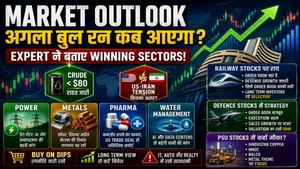 Share Market की तेज़ी बुरा फंसाएगी, बाज़ार में इन Stocks से बना लो दूरी!
 -
 Share Market में जोरदार तेजी, निफ्टी 24,200 के पार; सबसे अधिक किस शेयर में तेजी?
 -
 Trump Warning से Iran-US तनाव बढ़ा, Crude Oil में हलचल: Share Market Panic में क्या करें?
 -
 Share Market: कल की भारी गिरावट के बाद बाजार में लौटी तेजी, Sensex और Nifty में बढ़त के साथ कारोबार; आगे क्या
 -
 South Korea Market Crash: टेक शेयरों की बिकवाली से मचा हड़कंप! Bear Market में क्यों पहुंचा KOSPI?
 -
 Stock Market: शेयर बाजार में आज क्यों आई गिरावट? अमेरिका-ईरान तनाव के अलावा क्या है गिरावट की सबसे बड़ी वजहें
 -
 Sensex Outlook: सेंसेक्स 1 लाख तक पहुंचेगा या 66,000 तक गिरेगा? मॉर्गन स्टेनली ने बताए तीन बड़े अनुमान
 -
 Kalyan Jewellers Share Crash: अच्छे बिजनेस अपडेट के बावजूद 8% क्यों टूटा शेयर? जानिए पूरी वजह
 -
 Stock Market: अचानक क्यों टूटा बाज़ार? Sensex 350 प्वाइंट तो Nifty 24,450 के नीचे! जानिए 4 बड़ी वजहें
 -
 Stock Market Today: सप्ताह के पहले दिन शेयर बाजार में तेजी! आज शेयर बाजार में किसका रहा जलवा?
 -
 Stock Market में आएगा बड़ा ब्रेकआउट? 2026 के 5 सबसे दमदार सेक्टर्स!
 -
 HCL Tech Share Price: AI Deal के दम पर शेयर में 7% की तेजी, क्या आगे भी बढ़ेगा?
 -
 Share Market Today: सेंसेक्स 650 अंक उछला, निवेशकों की दौलत ₹2.43 लाख करोड़ बढ़ी, जानें तेजी की वजह
 -
 Nifty IT में 4% की तूफानी रैली! Infosys, TCS, Wipro में खरीदारी का मौका?
 -
 Vedanta Demerger के बाद धमाका: Oil & Gas में 20% की तेजी, निवेशकों की हुई चांदी
 -
 Nifty Outlook: क्या खत्म होगी गिरावट? 10 साल का Data क्या कहता है, जानें आगे की चाल
-
Block for 8 hours
-
Block for 12 hours
-
Block for 24 hours
-
Don't block

 Sign in with Google
- Male
- Female
- Others
- Under 18
- 18 to 25
- 26 to 35
- 36 to 45
- 45 to 55
- 55+