
 A Oneindia Venture


 Click it and Unblock the Notifications
Kanoria Plaschem Ltd. कंपली की लेखा नीति
Mar 31, 2011
1) BASIS OF ACCOUNTING :
The Financial statements are prepared under the historical cost
convention in accordance with generally accepted accounting principles
and provisions of the Companies Act, 1956 and Applicable Accounting
Standards as adopted consistently by the Company.
2) REVENUE RECOGNITION:
Revenues from the sale of goods are recognized upon passage of title to
the customer, which generally coincides with their delivery.
3) EXPENDITURE:
The Company generally follows mercantile systems of accounting and
recognizes significant items of expenditure on accrual basis.
4) FIXED ASSETS
Fixed Assets are stated at cost net of CENVAT, less accumulated
depreciation. The cost of assets comprises its purchase price and any
directly attributable cost of bringing the assets to working condition
for its intended use. Expenditure for additions, modifications,
improvements and renewals are capitalized and expenditure for
maintenance and repairs are charged to the Profit and Loss Account.
When assets are sold or discarded their cost and accumulated
depreciation are removed from the accounts and any gain or loss
resulting from their disposal is included in the Profit and Loss
Account.
5) DEPRECIATION:
Depreciation on fixed assets is provided on Straight Line Method at the
rate and in the manner prescribed in SCHEDULE XIV to the Companies Act,
1956 except in respect of Plant and Machinery. Depreciation on Plant
and Machinery has been made on basis of number of year's useful life of
each of the Plant and Machinery. During the year under consideration
the company has obtained a Technical Report from a registered valuer
and revised the rate of depreciation of all Plant and Machinery based
on its balance useful life. The excess depreciation charged on the
Plant and Machinery has been written back to Profit and Loss account.
6) FOREIGN CURRENCY TRANSACTIONS:
Transactions denominated in foreign currency are normally recorded at
the exchange rate prevailing at the time of the transaction.
7) INVENTORIES:
Raw materials, Stores and Tools, Spare Parts and Packing Materials are
valued at cost. Finished Goods and Work-in-Progress are valued Lower
of cost or net realizable value. Provision for obsolescence in
inventories is made, whenever necessary.
8) INCOME TAX:
Income Tax will be recognised in the year when payments are required to
be made, depending on profitability. So for as deferred tax is
concerned due to huge carry forward loss and Depreciation as per books,
management is of the opinion that deferred tax is not required to be
recognised.
9) RETIREMENT BENEFITS:
9.1 Provident Fund:
Company's contributions to Provident Fund and Pension Fund are charged
to Profit and Loss Account.
9.2 Leave Encashment:
The Leave Encashment benefit payable to employees is determined and
recognized on the basis of actual liability at the end of the period.
10) INVESTMENTS:
Investments are stated at cost less provision for any permanent
diminution in value.
Disclaimer: This is 3rd Party content/feed, viewers are requested to use their discretion and conduct proper diligence before investing, GoodReturns does not take any liability on the genuineness and correctness of the information in this article
Kanoria Plaschem Ltd. पर और जानकारी
-
Kanoria Plaschem Ltd. कंपनी का विवरण
- मैनेजमेंट टीम
- पूंजी ढांचा
- प्रॉडक्ट मिक्स
-
Kanoria Plaschem Ltd. मुख्य वित्तीय अनुपात
- अनुपात
-
Kanoria Plaschem Ltd. परिणाम
- वार्षिक परिणाम
-
Kanoria Plaschem Ltd. Financial Data
- ऑडिट के परिणाम
- नकदी प्रवाह
- बैलेंस शीट
-
Kanoria Plaschem Ltd. की रिपोर्ट
- लेखा नीति
- ऑडीटर की रिपोर्ट
- निदेशक की रिपोर्ट
- खाते के लिये नोट
-
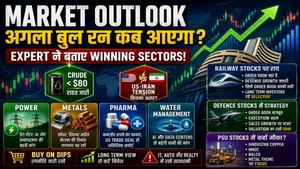 Share Market की तेज़ी बुरा फंसाएगी, बाज़ार में इन Stocks से बना लो दूरी!
 -
 Share Market में जोरदार तेजी, निफ्टी 24,200 के पार; सबसे अधिक किस शेयर में तेजी?
 -
 Trump Warning से Iran-US तनाव बढ़ा, Crude Oil में हलचल: Share Market Panic में क्या करें?
 -
 Share Market: कल की भारी गिरावट के बाद बाजार में लौटी तेजी, Sensex और Nifty में बढ़त के साथ कारोबार; आगे क्या
 -
 South Korea Market Crash: टेक शेयरों की बिकवाली से मचा हड़कंप! Bear Market में क्यों पहुंचा KOSPI?
 -
 Stock Market: शेयर बाजार में आज क्यों आई गिरावट? अमेरिका-ईरान तनाव के अलावा क्या है गिरावट की सबसे बड़ी वजहें
 -
 Sensex Outlook: सेंसेक्स 1 लाख तक पहुंचेगा या 66,000 तक गिरेगा? मॉर्गन स्टेनली ने बताए तीन बड़े अनुमान
 -
 Kalyan Jewellers Share Crash: अच्छे बिजनेस अपडेट के बावजूद 8% क्यों टूटा शेयर? जानिए पूरी वजह
 -
 Stock Market: अचानक क्यों टूटा बाज़ार? Sensex 350 प्वाइंट तो Nifty 24,450 के नीचे! जानिए 4 बड़ी वजहें
 -
 Stock Market Today: सप्ताह के पहले दिन शेयर बाजार में तेजी! आज शेयर बाजार में किसका रहा जलवा?
 -
 Stock Market में आएगा बड़ा ब्रेकआउट? 2026 के 5 सबसे दमदार सेक्टर्स!
 -
 HCL Tech Share Price: AI Deal के दम पर शेयर में 7% की तेजी, क्या आगे भी बढ़ेगा?
 -
 Share Market Today: सेंसेक्स 650 अंक उछला, निवेशकों की दौलत ₹2.43 लाख करोड़ बढ़ी, जानें तेजी की वजह
 -
 Nifty IT में 4% की तूफानी रैली! Infosys, TCS, Wipro में खरीदारी का मौका?
 -
 Vedanta Demerger के बाद धमाका: Oil & Gas में 20% की तेजी, निवेशकों की हुई चांदी
 -
 Nifty Outlook: क्या खत्म होगी गिरावट? 10 साल का Data क्या कहता है, जानें आगे की चाल
-
Block for 8 hours
-
Block for 12 hours
-
Block for 24 hours
-
Don't block

 Sign in with Google
- Male
- Female
- Others
- Under 18
- 18 to 25
- 26 to 35
- 36 to 45
- 45 to 55
- 55+